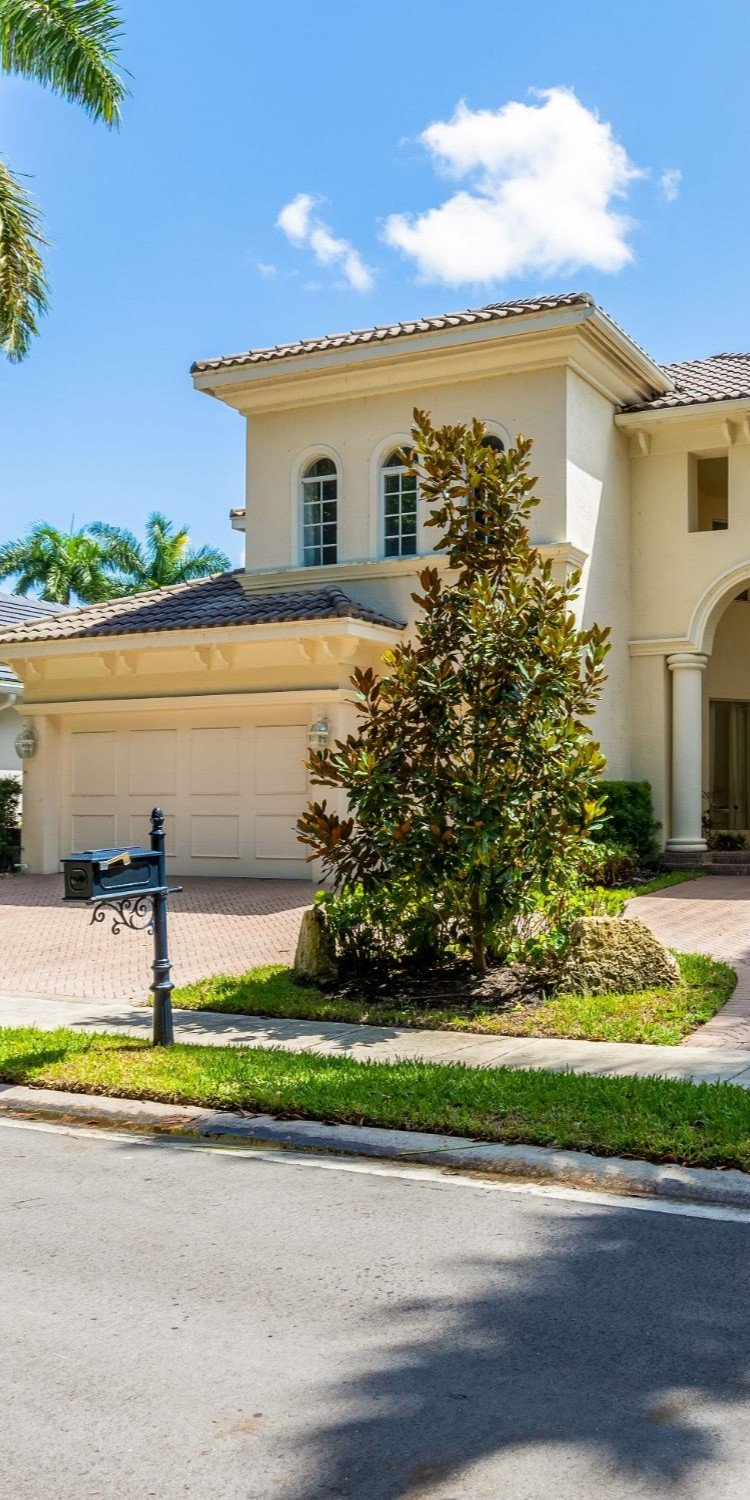
Staring at a shiny new home in Babcock National and wondering whether to take a builder credit or a rate buydown? You are not alone. With promotions changing often and fine print that matters, it is easy to pick the wrong lever. This guide breaks down how incentives and buydowns work here, what they really save you, and how to decide with confidence. Let’s dive in.
Babcock National in brief
Babcock National sits inside Babcock Ranch, a master‑planned community near Punta Gorda known for its golf lifestyle and resort amenities. Lennar is the primary builder at Babcock National, offering condominiums, coach homes, and single‑family homes alongside an 18‑hole course and club facilities. You can explore the community overview through Lennar’s announcement of Babcock National plans and amenities for helpful context. See the builder’s community details.
Babcock Ranch continues to rank among the nation’s top‑selling master‑planned communities, which shapes how and when builders use promotions. Strong sales cycles often bring targeted offers rather than broad price cuts, while slower periods may feature aggressive buydowns or credits. Review the latest ranking context from the developer.
What “builder incentives” usually include
Common incentive types
- Price reduction or net price concession
- Closing‑cost credit or lender credit applied at closing
- Upgrade or design‑center allowance, including appliance or finish packages
- Mortgage rate buydowns funded by the builder or its lending affiliate
These incentives can be valuable, but they work in different ways at closing and over time. Here is a neutral overview of seller concessions and limits.
How incentives are delivered
- Direct credits at closing that reduce your cash to close
- Lender credits or subsidized rate buydowns run through a preferred or affiliate lender
National builders often tie their largest financing offers to an affiliate lender, which can streamline the buydown structure. You are not required to use the affiliate, but an incentive may depend on it. Explore the affiliate‑lender model.
Rate buydowns explained
Temporary vs permanent buydowns
- Temporary buydown: Your interest rate is reduced for the first years of the loan, then steps up to the full note rate. Common versions include 1‑0, 2‑1, and 3‑2‑1. Learn the 2‑1 buydown basics.
- Permanent buydown: Discount points are paid at closing to lower the interest rate for the life of the loan. Points may be paid by you or by the seller/builder.
Qualification rules that matter
For most conventional loans, lenders underwrite your file at the full note rate, not the temporarily reduced rate. In short, a temporary buydown helps monthly cash flow early on, but it does not usually change the rate used to qualify you. See Fannie Mae’s rule on temporary buydowns and qualification at the note rate.
Contribution caps and tax treatment
- Seller‑paid funds, including buydowns and points, count toward seller‑contribution limits that vary by loan program and down payment. Confirm the cap for your specific loan. View a summary of concession limits.
- The IRS treats seller‑paid points as if paid by the buyer for potential mortgage‑interest deduction if certain tests are met. Speak with your tax advisor before relying on deductibility. Review IRS Topic 504 on points.
A quick numbers example
Assume a $400,000 loan at a 7.00 percent 30‑year fixed note rate. With a 2‑1 buydown, your first‑year rate would be 5.00 percent, year two 6.00 percent, then 7.00 percent thereafter. Monthly principal and interest would be about $2,147 in year one, $2,398 in year two, and $2,661 at the full rate. The two‑year payment difference totals roughly $9,300, which is typically funded upfront by the builder or lender to subsidize your early payments. See a plain‑English explainer of 2‑1 buydowns.
Why builders use buydowns at Babcock National
Large production builders use buydowns to improve buyer affordability without broadly cutting list prices. When rates are elevated, buydowns can unlock demand while protecting price integrity in the public record. Lennar’s recent earnings commentary has noted the use of buydowns as a sales tool in rate‑sensitive environments. Read the company’s update.
Across Babcock Ranch’s builder roster, incentives and buydowns are part of the competitive toolkit. Offers can vary by product line, inventory home, and timing. See the builders active across Babcock Ranch.
Incentives vs buydowns: how to choose
When a builder incentive may be best
- You want to lower cash to close today. A closing‑cost credit can be more helpful than a permanent buydown that requires upfront points.
- You value included upgrades or lot‑premium offsets that you will enjoy on day one.
- You prefer a visible price reduction that may help with appraisal comparisons later.
When a rate buydown may be best
- You need lower initial payments while you settle in, expect income to rise, or plan to refinance before the buydown period ends.
- You plan to hold long term and want permanent savings. If the builder funds discount points, the lifetime interest savings can beat a one‑time credit. Run a breakeven comparison to be sure.
Appraisal and resale factors
Temporary buydowns do not add market value. They only change your early payments. Price reductions change the recorded sale price and can affect comps. Credits that do not change the recorded price may be “invisible” in public records, which can help preserve comps on paper.
Your decision checklist
Use this as a quick, buyer‑focused framework before you sign:
- Get the exact incentive in writing on the purchase agreement or addendum.
- Ask if the offer requires using the builder’s affiliate lender. Compare with at least one outside quote and review APR, fees, and total cash to close. Affiliate overview.
- If a temporary buydown is offered, confirm the qualification rate, monthly payment schedule, and the date and amount of future payment increases. Fannie Mae guidance.
- Confirm seller‑contribution limits for your loan program to avoid leaving money on the table. Concession summary.
- Ask where buydown funds are escrowed and what happens if you refinance or sell early.
- Run two comparisons: a breakeven for permanent points and a 24‑ to 36‑month cash‑flow for temporary buydowns.
- Discuss tax implications of seller‑paid points with your advisor. IRS Topic 504.
Strategy examples
- Short on cash at closing: Favor a closing‑cost credit or upgrade allowance that reduces out‑of‑pocket costs.
- Expect to refinance in 1 to 2 years: A temporary 2‑1 buydown can bridge affordability while you wait for rate movement.
- Planning to hold 7+ years: A permanent buydown with points, if funded by the builder, can outperform a similar‑sized closing credit over time.
- Sensitive appraisal context: Consider how a visible price cut versus an invisible credit could affect comparables and future resale optics.
The bottom line
At Babcock National, both builder incentives and rate buydowns can be smart, but for different reasons. Match the offer to your time horizon, cash at closing, and comfort with future payments. Then verify the structure with the lender before you commit.
For a private, numbers‑first walkthrough of current offers and the best fit for your goals, connect with Leland Bishop for tailored guidance.
FAQs
What is the difference between a temporary and permanent rate buydown?
- A temporary buydown lowers your rate for the first years, then steps up to the full note rate; a permanent buydown uses points to reduce your rate for the life of the loan.
Do temporary buydowns make it easier to qualify for a mortgage?
- Usually no. Most conventional loans qualify you at the full note rate, not the reduced buydown rate. See Fannie Mae’s rule.
Are seller‑paid buydowns and points limited by loan rules?
- Yes. They count toward seller‑contribution caps that vary by loan type and down payment. Confirm the limit for your loan. Review a summary.
How do builder incentives affect appraisals at Babcock National?
- Price cuts change the recorded sale price and can influence comps; closing credits and temporary buydowns often do not change the recorded price and may be invisible in public data.
Are seller‑paid points tax deductible for buyers?
- The IRS treats seller‑paid points as if the buyer paid them, which may allow a deduction if specific tests are met. Always consult a tax advisor. IRS Topic 504.
Why do builders in Babcock Ranch offer buydowns so often?
- Buydowns improve buyer affordability without broadly cutting list prices, a tactic large builders have highlighted in recent updates. See Lennar’s commentary.